

In Episode 2 of The Great Green Escape, I shared that winter might actually be good for you biologically, psychologically, and us collectively from an ecology perspective.
Part of the episode is a ‘winter weather report’, but not the usual temperature-and-rain sort. This one includes tides, fungi, forests, migrating whales and stargazing.
Here’s that briefing on winter in Australia. I hope the learning inspires you like it did for me.
The tides (and what swims beneath them)
Winter in Australia brings king tides, rolling in at night. Because they happen in the cover of darkness (without an audience), we tend to miss them. In places like Derby in WA, or along the Great Barrier Reef, the tides can be especially significant.
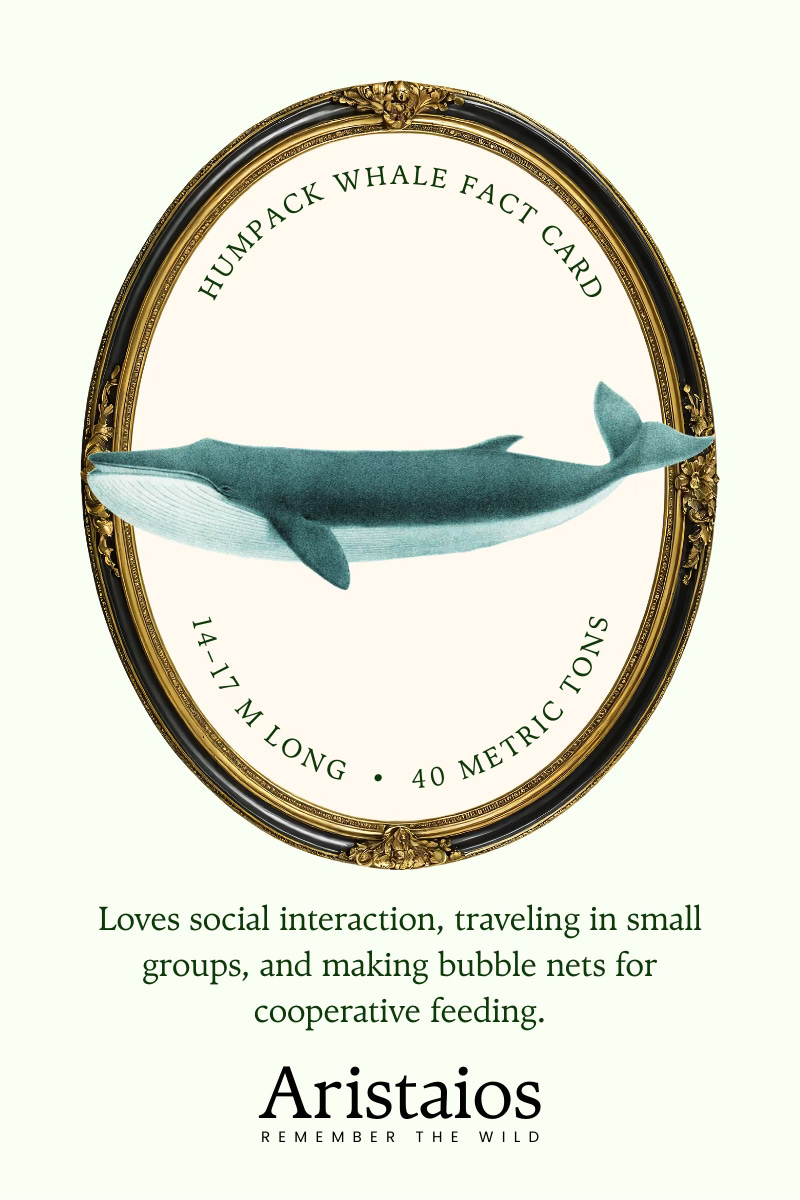
And beneath the waves, there are whales. Loads of them. In fact, around 75,000 whales migrate along Australia’s coastlines in winter.
The whales are mostly humpbacks, but also southern right whales and the odd orca. The reason they’re making such a long journey is to north to breed and calve.
The weather
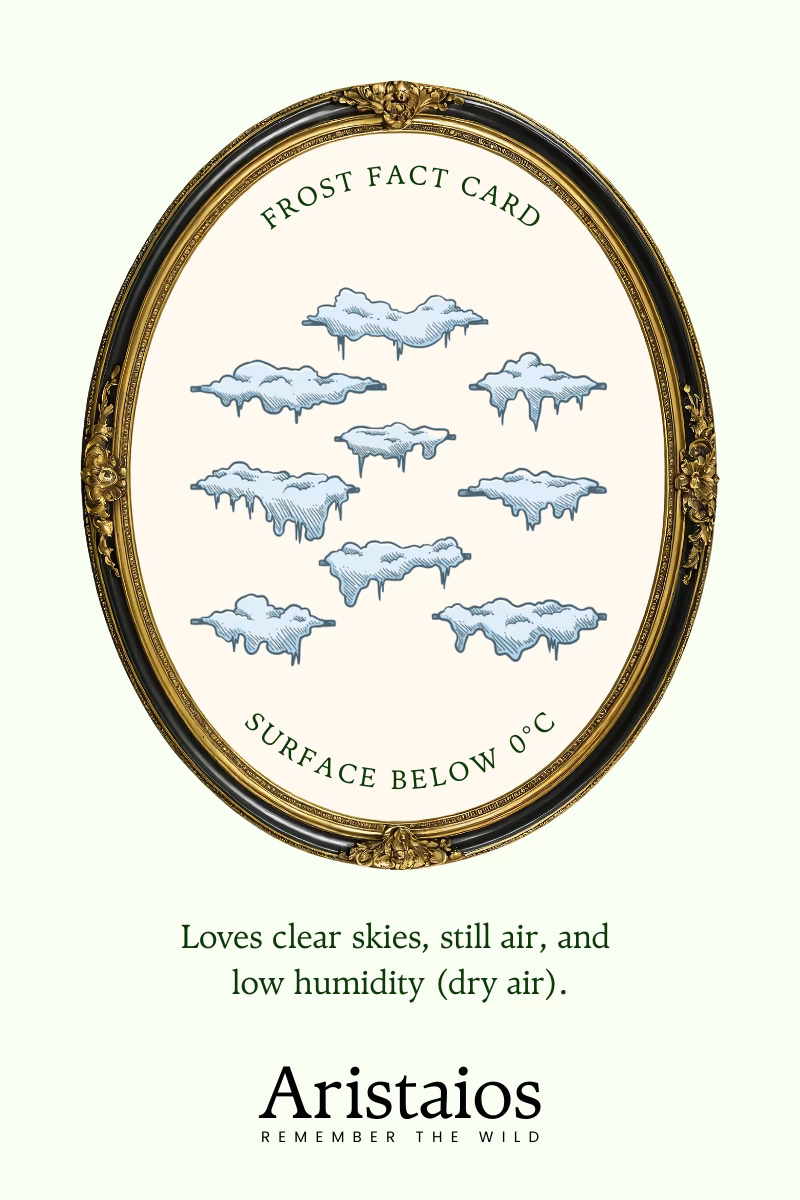
Down south in Tasmania, Victoria, and parts of New South Wales, daytime temperatures range between 5 and 15°C. Nights are often below zero. You’ll get frost, fog, and even a dusting of snow if you’re lucky (or not, depending on your plans).
Up north, things are much warmer. Queensland and Northern Territory feel more like mild spring than traditional winter. Picture clear skies, cool air, and even picnic weather.
And in Western Australia, winter is when the rain finally arrives. The southwest perks up. And beneath all that rain, wildflower seeds prepare to germinate.
In the forest
While some trees hibernate in winter, the understory, which is the lower layer of shrubs, ferns and fungi, are not so inactive.
Winter is also peak mushroom season in many parts of Australia. In the wild, we might see:
Saffron Milkcap (not edible raw, but charming to look at)
Turkey Tail (good for your immune system)
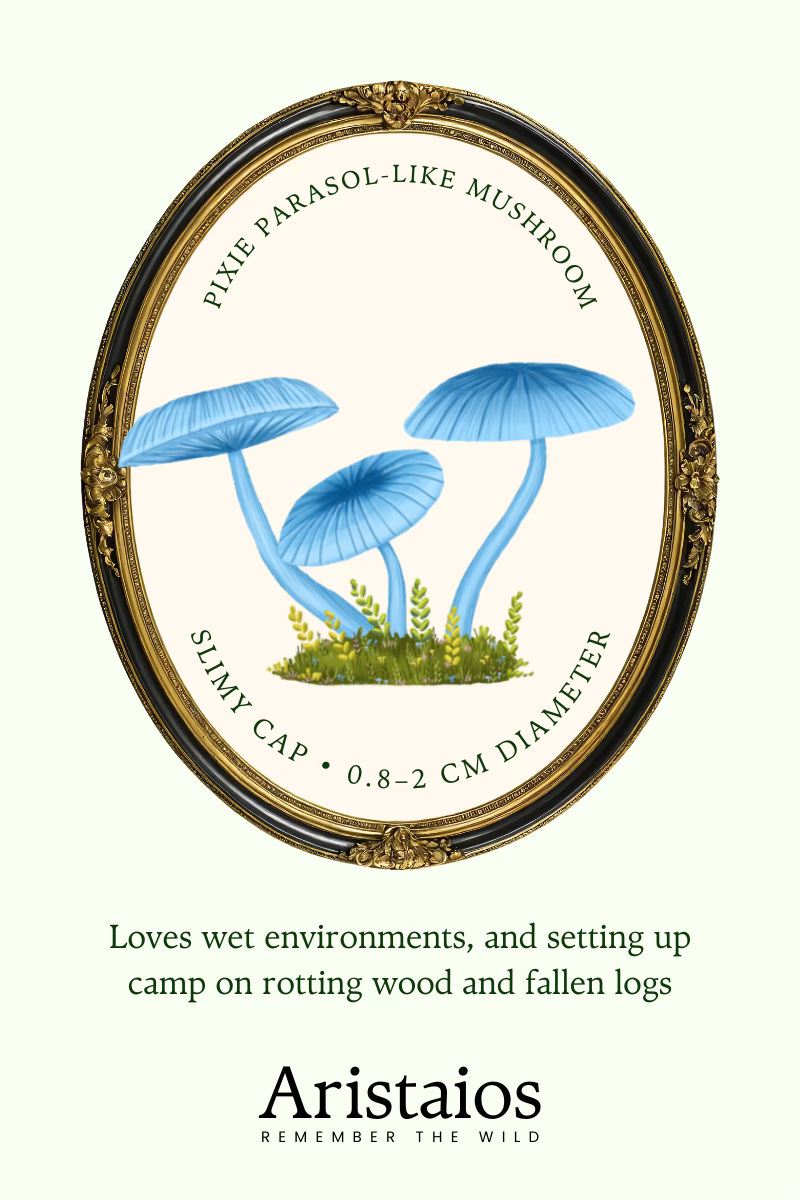
Pixie’s Parasol (it’s blue!)
Ghost Mushrooms (which glow in the dark thanks to bioluminescence)
You’ll also find wattles starting to bloom in a beautiful shock of colour.
The stars above
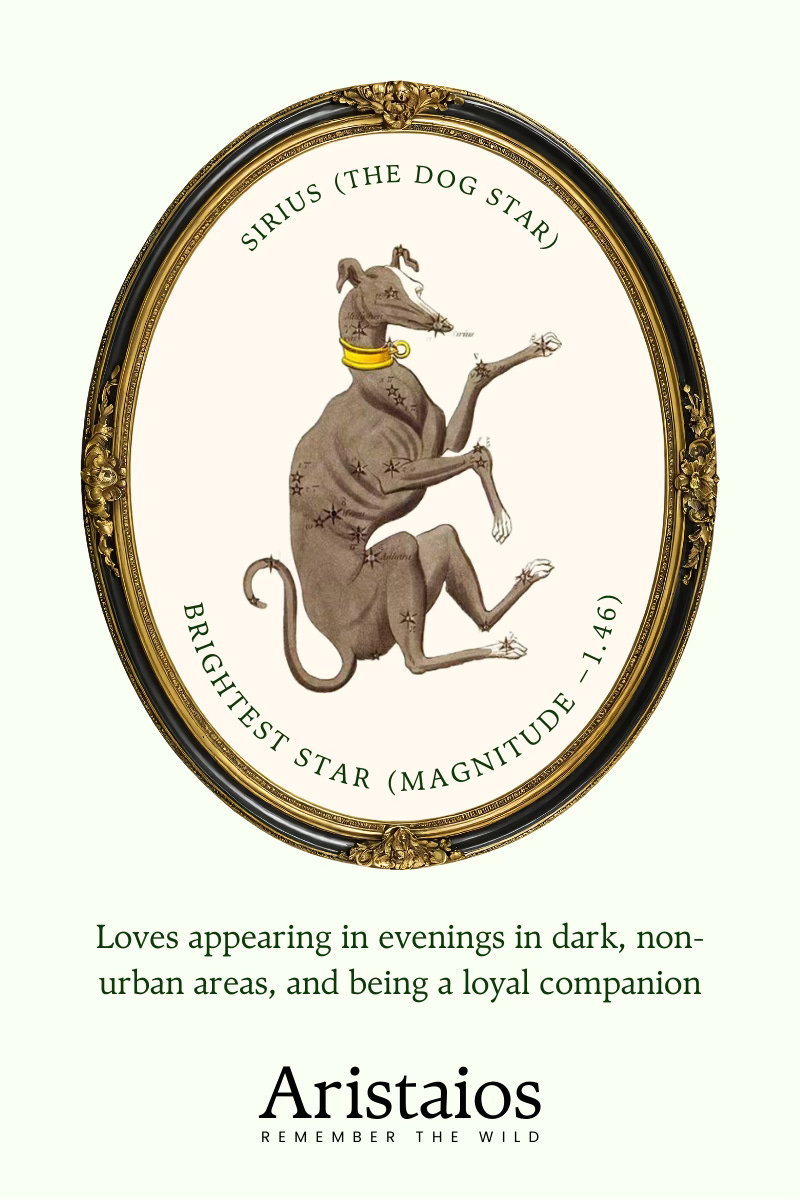
In winter, Sirius, AKA the ‘Dog Star’, is visible low in the western sky after sunset. This is the brightest star we can see from Earth, because it sits only 8.6 light-years away. It’s an important star. Ancient Egyptians watched for its return to mark the flooding of the Nile, and farmers over the centuries watched it to gain an exact bearing on the season. I watch it because it’s a nice reminder of seasonal change.
In the sky, you’ll also spot Orion, Taurus, Gemini, and the Southern Cross, which are wonderful seasonal performers. And if you’re in Tasmania, you might catch a glimpse of the Aurora Australis, or bands of green or violet light flickering across the sky. This happens when the sun’s particles meet the Earth’s magnetic field in a rather gorgeous display.
And here on the ground...
You might be sleeping longer, reaching for hot drinks, and hopefully getting slightly less done than usual. That means winter is doing its work.
🎧 Listen to the full episode here:
Winter is Good For You — The Great Green Escape
Available on Apple Podcasts and Spotify.